Nasi Lemak and Diabetes: Can Malaysians Still Eat It?
Why Nasi Lemak Spikes Blood Sugar
Nasi lemak is arguably Malaysia’s national dish, but for those managing diabetes or insulin resistance, its traditional preparation presents a significant metabolic challenge. The core of the problem lies in the rice and the sambal.
The rice is typically a refined white grain, cooked in coconut milk. While coconut milk provides saturated fat which can slow down digestion slightly, the white rice itself has a Glycemic Index (GI) of approximately 72. This causes a rapid conversion to glucose in the bloodstream. Furthermore, many commercial sambals are loaded with added sugars—often palm sugar (gula melaka) or refined white sugar—to balance the heat of the chilies.
bar_chart The Numbers
Clinical observations indicate that a standard serving of traditional Nasi Lemak (approximately 300g of rice with sweet sambal) can raise blood glucose levels by 4 to 6 mmol/L within 30 to 45 minutes post-consumption in an individual with type 2 diabetes.
"Remission doesn't mean giving up culture; it means upgrading the plate."
The Reversal-Friendly Swap
Achieving diabetes reversal requires maintaining stable blood glucose levels, which means the traditional Nasi Lemak needs a structural overhaul. By replacing high-glycemic components with nutrient-dense alternatives, you can recreate the experience without the metabolic spike. For a complete dietary framework, refer to our structured diabetes meal plan Malaysia.
Cauliflower Rice
Replaces white rice. Cooked in light coconut milk for flavor, reducing carbs by 90%.
Sugar-Free Sambal
Made with pure blended chilies, onions, and anchovies. Sweetened with stevia or erythritol.
Extra Protein
Double the egg or add grilled chicken to increase satiety and stabilize insulin response.
Traditional Sides
Keep the cucumber (fiber), roasted peanuts (healthy fats), and anchovies (protein).
Tips for Ordering at Mamak
When dining out at a mamak or hawker stall, total avoidance isn't always practical. Use these strategies to minimize the glycemic impact:
- • Portion Control: Ask for "kurang nasi" (half rice) or share the rice portion.
- • Protein First: Eat the egg, cucumber, and peanuts before touching the rice to blunt the glucose spike.
- • Sambal Restraint: Ask for sambal "asing" (on the side) and use it sparingly as a dip rather than mixing it in.
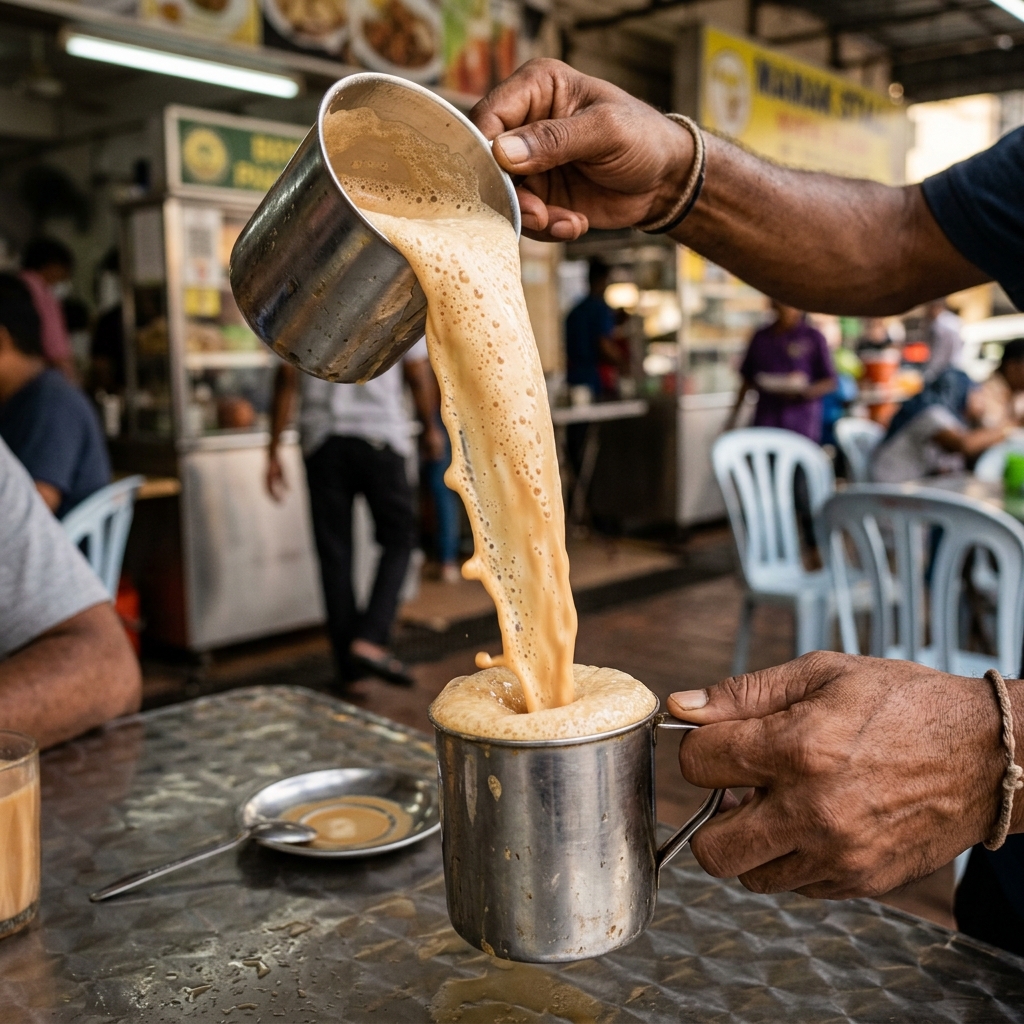
- • Beverage Pairing: Strictly pair with Teh O Kosong or water. Never combine Nasi Lemak with a sugary Teh Tarik.
Key Takeaways
- arrow_right Traditional Nasi Lemak is high-glycemic due to white rice and sugary sambal.
- arrow_right At home, swap rice for cauliflower and make a sugar-free sambal.
- arrow_right When eating out, halve the rice, prioritize protein, and separate the sambal.