Roti Canai and Diabetes: The Truth About Malaysia's Breakfast Staple
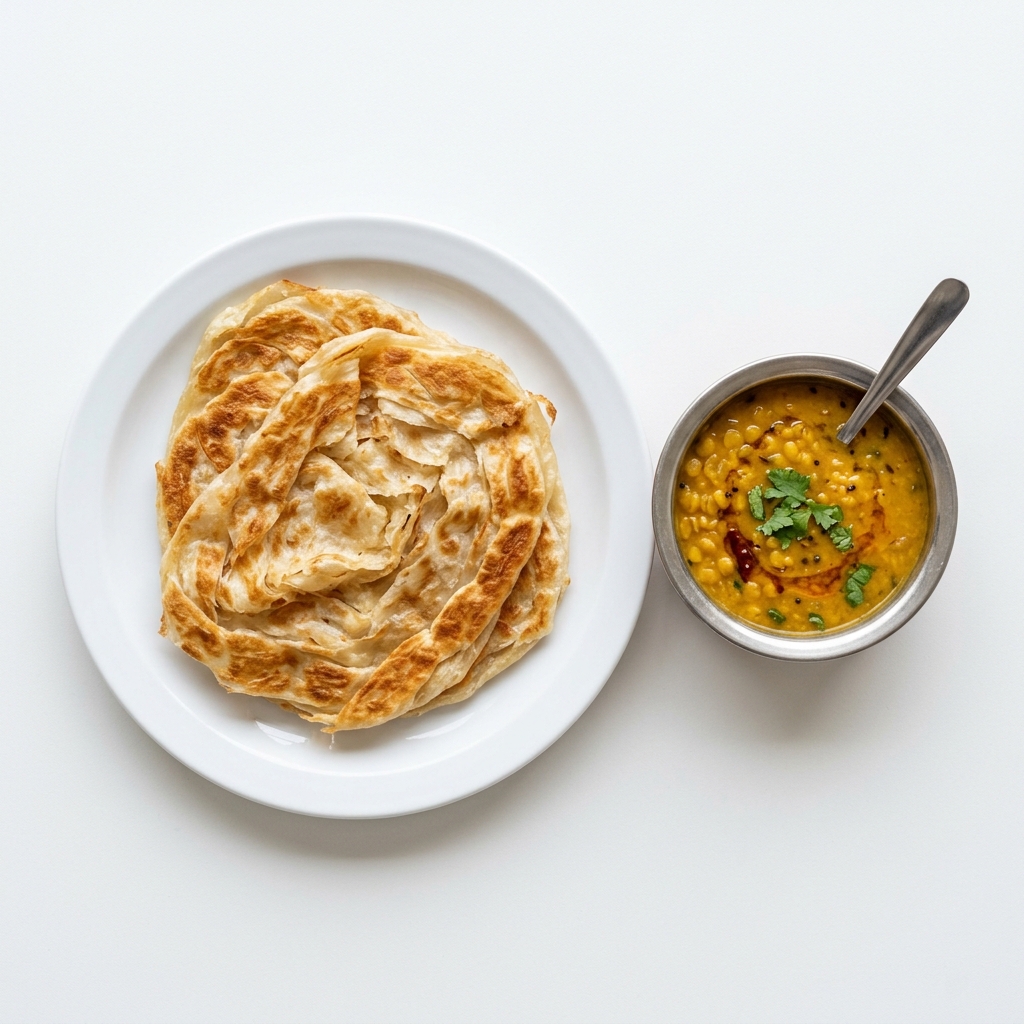
Roti canai is an undeniable cornerstone of Malaysian food culture. Served hot at local mamak stalls, it is often consumed multiple times a week. However, from a clinical endocrinology perspective, this beloved breakfast staple presents significant challenges for blood glucose management and diabetes prevention.
The GI Problem
Roti canai is made primarily from refined white flour (gandum), ghee, and sugar. This composition results in an extremely high Glycemic Index (GI). The lack of dietary fiber means the carbohydrates are rapidly converted into glucose, entering the bloodstream at an alarming rate.
Clinical observations show that a standard serving can induce a blood glucose spike of 4 to 7 mmol/L within 60 to 90 minutes post-consumption, placing severe strain on insulin response mechanisms.
The Dhal and Curry Factor
While dhal (lentils) inherently possesses a lower GI, the traditional mamak preparation often involves heavy tempering with oil and additional refined carbohydrates. This creates a scenario of "glycemic compounding," where the total glycemic load of the meal is exacerbated rather than mitigated by the accompaniments.
Portion Size & Carbs
A single piece of plain roti canai contains approximately 300 calories and 45 grams of refined carbohydrates. To put this in perspective, 45g of carbohydrates is equivalent to eating nearly three slices of standard white bread. Many diners consume two pieces per sitting, effectively doubling this metabolic load.
format_quote"The combination of refined wheat and ghee in a single sitting creates a metabolic environment that actively resists blood sugar stabilization."
Safer Alternatives
For those managing diabetes or insulin resistance, immediate substitution is recommended. Consider the following alternatives when dining out:
-
check_circle
Thosai (Dosa) Fermented lentil and rice batter. Significantly lower GI (~55) and higher protein content.
-
check_circle
Chapati Made from whole wheat flour (atta). Higher fiber content aids in slowing glucose absorption.
-
check_circle
Wholemeal Roti Though less common, some establishments now offer roti made with wholemeal flour, offering a slight improvement in fiber profile.
lightbulb Ordering Smarter
When ordering, request "kurang minyak" (less oil) and separate the curry ("asingkan kuah") to control sodium and fat intake. Avoid sweet variations like Roti Tisu or Roti Bom entirely. For structured guidance on how to balance local meals, follow our diabetes meal plan Malaysia.
warning The Mamak Trap
The 'Double Bomb': Combining Roti Canai with Teh Tarik (sweetened milk tea) creates an extreme carbohydrate and sugar surplus, guaranteeing a severe hyperglycemic event.
Clinical Summary
- arrow_right Roti canai is a high-GI food that causes rapid blood sugar spikes.
- arrow_right One piece contains roughly 45g of refined carbohydrates.
- arrow_right Thosai and Chapati represent clinically superior alternatives for daily consumption.